Japan, a land of rich traditions and natural beauty, offers one of the most unique and rejuvenating experiences for travelers: the onsen. An onsen is a traditional Japanese hot spring, fueled by geothermal activity beneath the Earth's surface. These baths, found all over Japan due to the country's volcanic activity, are filled with naturally heated, mineral-rich water. They are not just places to bathe but are deeply embedded in Japanese culture, offering a blend of relaxation, health benefits, and communal bonding.
Types of Onsen
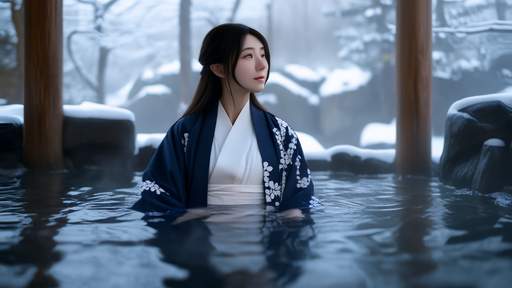
Onsens can be part of larger spa facilities, hotels, or traditional inns known as ryokans. They offer a variety of settings, from indoor baths to scenic outdoor pools called rotenburo, which allow bathers to enjoy natural vistas while soaking in the soothing waters. For those who prefer more privacy, private onsens or in-room onsens can be reserved for individual or family use.
If you're looking for a more accessible onsen experience, try ashiyu, a foot bath that can be found near hot spring towns. You can soak your tired feet in a small pool of hot spring water to get a taste of the onsen experience. Since ashiyu is usually free, expect crowds during peak periods.
Benefits of Onsen
The mineral-rich waters of onsens are believed to have healing properties, effective against various ailments such as muscle pain, joint pain, and skin problems. Many people visit onsens not just for relaxation and improved circulation but also for the therapeutic effects associated with different minerals.
Deeply embedded in Japanese culture, onsens are valued not only for their health benefits but also for their role in social and communal life. They are often located in scenic areas that emphasize a connection with nature. Traditionally, these baths are used for public bathing and are considered a place to cleanse both the body and the mind.
Understanding Onsen Etiquette
When entering an onsen facility, you'll typically remove your shoes. There may be shoe lockers or a designated shoe area at the entrance. Hygiene is paramount in onsens. Before entering the hot spring baths, you must thoroughly clean and rinse your body in the washing area. This area is equipped with stools, shower heads, and soap. As onsens are generally quiet places meant for relaxation, it’s best to avoid loud conversations and noises.
Knowing the Bathing Rules
In most traditional onsens, swimsuits are not allowed. Bathing is done nude, though you’ll typically have a small towel that can be used for modesty when walking around. However, this towel should not be put into the onsen water. If you have long hair, tie it up to prevent it from touching the water. You should also not swim or submerge yourself in an onsen.
In Japan, tattoos are traditionally associated with the yakuza (organized crime groups). As such, many onsens do not allow people with visible tattoos. However, some facilities are more relaxed about this rule, especially those that cater to foreigners.
Choosing the Right Onsen
There are several types of onsens, from public baths in small towns to private onsens in luxury hotels. Some are indoor, while others are in beautiful outdoor settings. Each onsen also has water with different mineral compositions, which are believed to have various health benefits. Choose according to what might suit your health needs, interests, or budget.
Savoring the Experience
Take your time to soak and relax in the warmth of the onsen. It is common to enter and exit the bath slowly, cooling down between dips. As the hot water can dehydrate you quickly, make sure to hydrate before and after bathing. The classic way is to enjoy a small glass bottle of milk after soaking. Often, onsens are located in areas with specialty local foods. Enjoying a meal after a soak is part of the experience—try local sake, seafood, or regional dishes.
Health and Safety
Onsen water is very hot, which can be stressful for the heart. If you have cardiovascular problems, high blood pressure, or are pregnant, consult a doctor before visiting an onsen. If traveling with children, make sure they can handle the heat of the onsen and educate them about the proper behavior and hygiene required.
Cultural Sensitivity
Be mindful and respectful about photography. Many onsens strictly forbid taking pictures, particularly in the bathing areas, to protect the privacy of guests. If unsure about anything, it’s perfectly okay to observe and follow what locals do.
Best Onsens in Japan
Visiting an onsen is a popular activity for both domestic and international tourists. Some famous onsen towns include Hakone, Beppu, Noboribetsu, and Ibusuki, each offering a distinct experience with local attractions.
Hakone: A Scenic Paradise
Hakone is one of Japan's most famous onsen destinations, known for its stunning views of Mount Fuji and its numerous hot spring resorts. The Hakone Kowaki-en Yunessun Hot Spring Theme Park offers a unique and fun experience with various themed baths, including a wine bath and a coffee bath. For a more traditional experience, try the Hakone Kowaki-en Yunessun One Day Ticket, which allows you to explore the park's many attractions.
Beppu: The Hot Spring Capital
Beppu is often referred to as the hot spring capital of Japan, with over 2,000 hot springs and more than 3,000 onsens. The Beppu Yufuin Day Tour offers a guided experience with Chinese, English, and Korean guides, making it accessible for international visitors. This tour includes visits to several famous onsens and local attractions, providing a comprehensive introduction to Beppu's rich onsen culture.
Noboribetsu: A Natural Wonderland
Noboribetsu is another popular onsen town, known for its natural hot springs and scenic beauty. The town offers a variety of onsens, from public baths to private facilities. The Oedo Onsen Monogatari Urayasu Mangekyo Hot Spring Experience in Chiba is a notable option, offering a luxurious onsen experience with beautiful outdoor settings.
Ibusuki: A Hidden Gem
Ibusuki is a lesser-known but equally charming onsen destination. Known for its sand baths, where visitors are buried in hot sand to relax and detoxify, Ibusuki offers a unique and rejuvenating experience. The Manyo No Yu Onsen Experience in Fukuoka is a popular choice, offering a traditional onsen experience with modern amenities.
Cultural and Social Significance
Onsens are more than just places to bathe; they are integral to Japanese social life. They serve as communal spaces where people can relax, socialize, and connect with nature. Onsens are often located in scenic areas, emphasizing the connection between the natural environment and human well-being. The practice of soaking in hot springs has been a part of Japanese culture for centuries, and it continues to be a cherished tradition.
Tips for a Memorable Onsen Experience
1. Plan Ahead: Research the different onsens available and choose one that suits your preferences and budget.
2. Respect Local Customs: Follow the etiquette and rules to ensure a respectful and enjoyable experience for everyone.
3. Hydrate and Rest: Drink plenty of water before and after your soak to stay hydrated. Take breaks to cool down if needed.
4. Enjoy Local Cuisine: Many onsens are located in areas with specialty local foods. Enjoy a meal after your soak to complete the experience.
5. Be Mindful of Health: If you have any health concerns, consult a doctor before visiting an onsen.
Visiting an onsen is more than just a bath; it is a journey into the heart of Japanese culture. Onsens offer a unique blend of relaxation, health benefits, and communal bonding, making them a must-visit for any traveler to Japan. Whether you choose a traditional onsen in a small town or a luxurious onsen in a modern resort, the experience is sure to leave you feeling rejuvenated and connected to the natural beauty of Japan.
By William Miller/Jun 4, 2025

By Christopher Harris/Jun 4, 2025
By Samuel Cooper/Jun 4, 2025

By Sophia Lewis/Jun 4, 2025
By Eric Ward/Jun 4, 2025
By Amanda Phillips/Jun 4, 2025
By Samuel Cooper/Jun 4, 2025
By Natalie Campbell/Jun 4, 2025
By Samuel Cooper/Jun 4, 2025

By Grace Cox/Jun 4, 2025

By David Anderson/Jun 4, 2025

By Jessica Lee/Jun 4, 2025

By Emma Thompson/Jun 4, 2025
By Grace Cox/Jun 4, 2025
