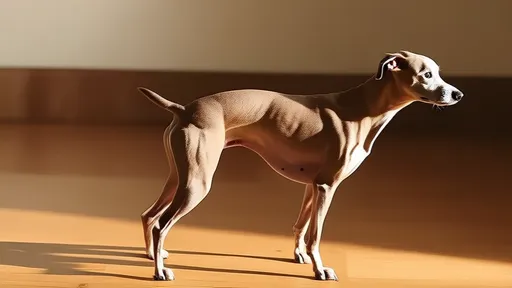
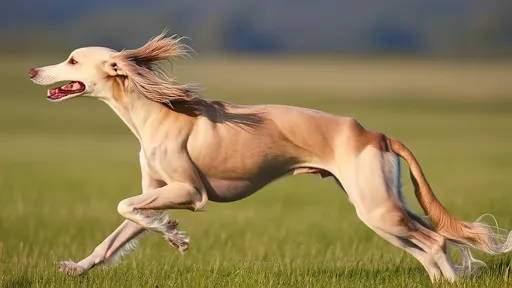
The Whippet, often referred to as the "poor man's racehorse," carries itself with an air of aristocratic elegance that belies its humble origins. Among sighthounds, this slender yet muscular breed is unique not just for its lightning speed but for its distinct approach to social interaction. Unlike many dogs that thrive on constant physical contact, the Whippet maintains what can only be described as a regal personal space bubble—typically about one meter in radius. This invisible boundary isn't born of aloofness, but rather a sophisticated language of posture and movement that demands careful interpretation.
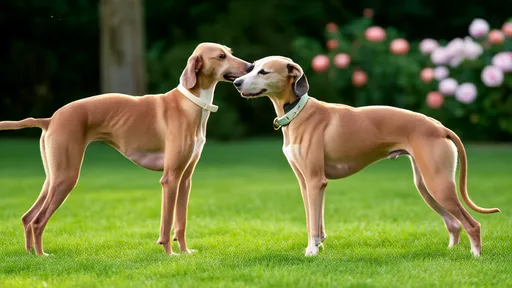
Watch two Whippets greeting at a park, and you'll witness a ballet of deliberate hesitation. Their initial approach is rarely head-on; instead, they curve their bodies in wide arcs, noses delicately sampling scent trails from a respectful distance. The famous "Whippet lean"—where the dog angles its shoulder toward another while keeping hindquarters poised for retreat—is the equivalent of a polite handshake. When comfortable, they might briefly close the gap to touch noses or engage in fleeting cheek rubs, but prolonged contact is reserved for only their most trusted companions. This measured intimacy reflects centuries of breeding where subtle communication trumped brute force.
The breed's signature "roach back" posture serves as a social semaphore. A gently arched spine with tail carried low signals peaceful intentions, while sudden straightening indicates the need for space. Their expressive eyes—dark, liquid, and slightly mournful—rarely engage in direct staring contests with unfamiliar dogs. Instead, they employ calculated glances sideways or over the shoulder, maintaining awareness without confrontation. When overwhelmed, a Whippet doesn't growl but rather performs an elaborate pantomime of disinterest: turning its head sharply away, suddenly becoming engrossed in sniffing imaginary ground scents, or executing a dramatic full-body shake as if to physically reset the interaction.
Human handlers often misinterpret this body language as shyness, but seasoned Whippet owners recognize it as canine diplomacy. The one-meter rule isn't absolute; it fluctuates based on context. During high-speed chases, these dogs demonstrate breathtaking physical contact as they jostle for position, yet immediately afterward will space themselves like magnets with matching polarity. In home environments, they're more likely to relax this distance with familiar pack members, though even then they prefer parallel lounging over clumping together like many breeds.
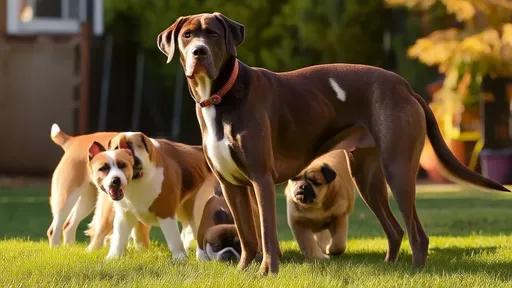
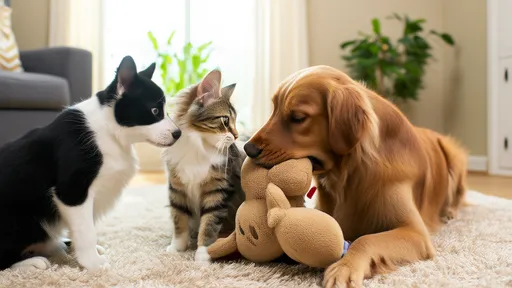
Understanding this spatial etiquette is crucial for multi-dog households. Whippets often become the "referees" of group dynamics, using subtle positioning to break up potential conflicts between other pets. They'll deliberately insert themselves at precise intervals between squabbling dogs, not to fight but to redistribute energy through calm presence. This talent makes them excellent therapy dogs for anxious canines—their very demeanor seems to whisper "let's all just take three steps back."
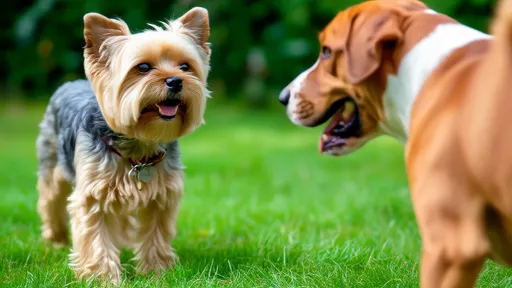
The modern world's shrinking personal space poses challenges for this ancient communicator. Crowded dog parks or overzealous puppies that violate the Whippet's buffer often trigger freeze responses rather than aggression. Educated owners learn to read the early signs: the slight stiffening of whiskers, the quarter-inch retreat of hind paws, the way the ears rotate backward like satellite dishes switching frequencies. Respecting these signals allows the Whippet to navigate social situations with the grace of a Victorian aristocrat at a garden party—always pleasant, never presumptuous, and eternally mindful of the proper space between souls.
By /Jun 12, 2025
By /Jun 12, 2025
By /Jun 12, 2025
By /Jun 12, 2025
By /Jun 12, 2025
By /Jun 12, 2025
By /Jun 12, 2025
By /Jun 12, 2025
By /Jun 12, 2025
By /Jun 12, 2025
By /Jun 12, 2025
By /Jun 12, 2025
By /Jun 12, 2025
By /Jun 12, 2025
By /Jun 12, 2025
By /Jun 12, 2025
By /Jun 12, 2025
By /Jun 12, 2025
By /Jun 12, 2025